MYANMAR, India, and Thailand are collaborating to submit a tentative list for the transnational nomination of Mahabodhi temples in the Indian Ocean region to the UNESCO World Heritage List. The three countries are working together on a “serial nomination” for the Mahabodhi temples, which includes the Mahabodhi temples in Bagan and Bago in Myanmar, the Mahabodhi Temple in Bodh Gaya in India, and Wat Chet Yot (Wat Ched Yod) in Chiang Mai in Thailand, according to U Nyi Mon, director of the Department of Archaeology and National Museum (Bagan Branch).
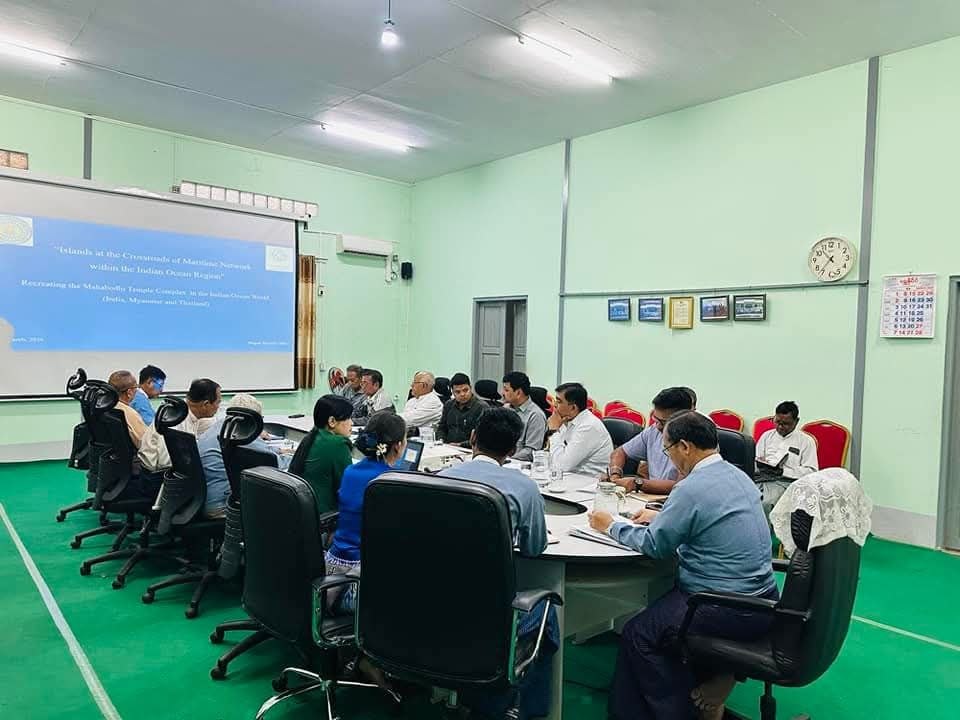
The department prepares the necessary documentation, conducts preservation and research, and facilitates coordination meetings to ensure the success of the nomination. On 9 March, a meeting was held at the Bagan Branch office with the members of the Mandalay Region Cultural Heritage Preservation Committee, the Mahabodhi Temple Board of Trustees, representatives from the Archaeological Survey of India (ASI), and officials from the Bagan Branch.
To facilitate the submission of the tentative list, teams formed by the Department are currently gathering data, documenting sites, capturing drone footage, and preparing maps.
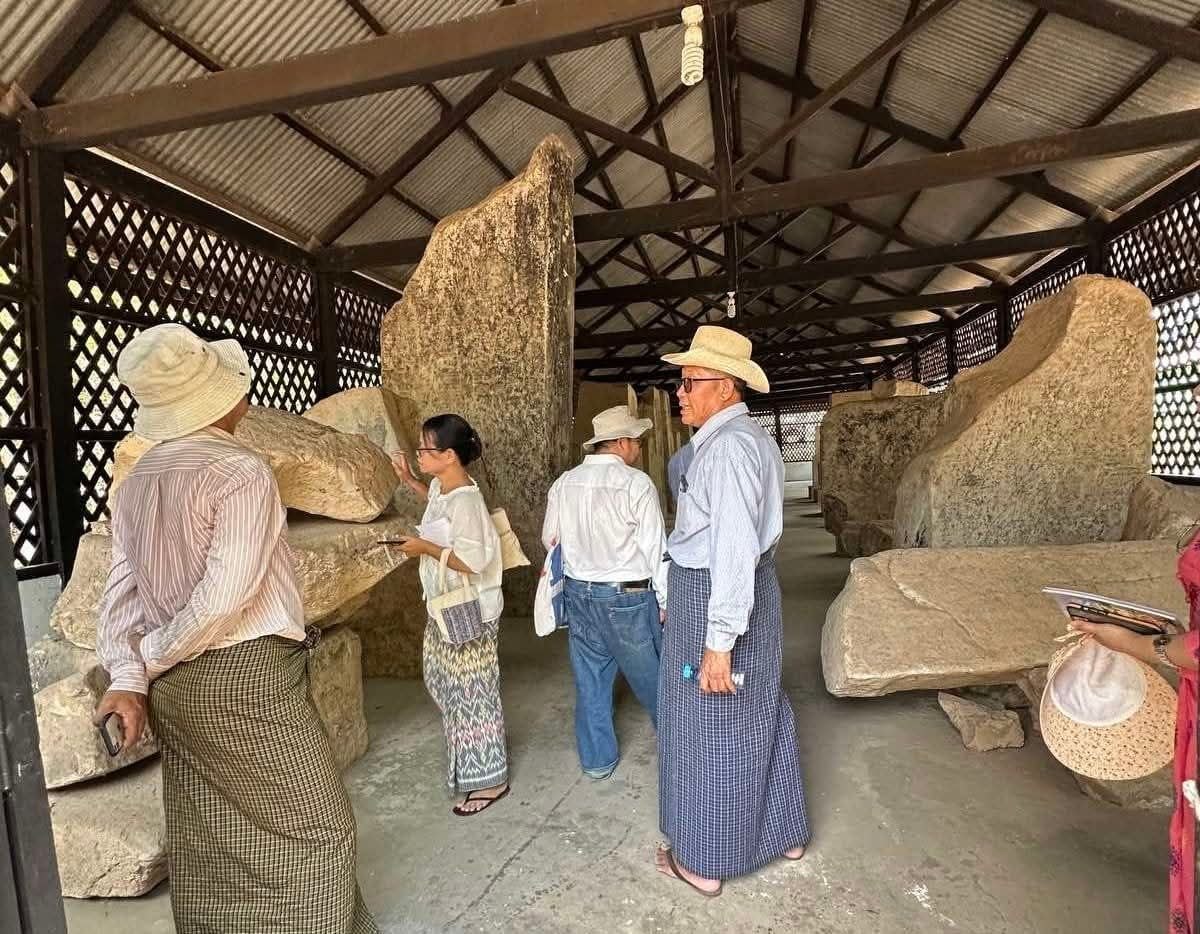
From 20 to 22 April 2026, in Yangon, the officials from the Yangon, Bagan, and Bago branches, along with representatives from the Bagan Heritage Trust and the Archaeological Survey of India (ASI), led by the Deputy Director-General (Museums) and archaeological advisor Dr Thein Lwin, discussed the drafting of the nomination dossier, boundary maps, the selection of criteria, data assessment, and the collection of photographic, video documentation and preservation. They also conducted a field visit to the Mahabodhi temple in Bago.
Preserving national heritage sites and working toward the inclusion on the World Heritage List helps safeguard national prestige. Therefore, the public is encouraged to cooperate in preserving and protecting heritage sites for long-term sustainability, enhancing national pride, promoting tourism development and increasing State income through collective participation and conservation efforts. — Dipa Lin/KTZH