
By Lynn Lynn Myat Oo
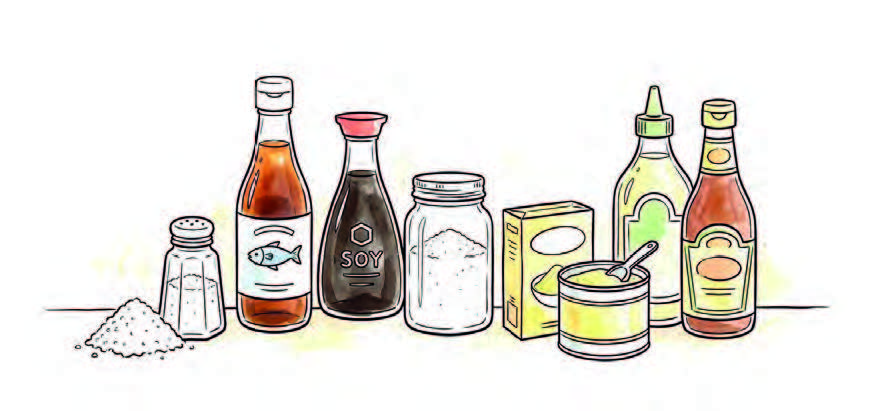
FOOD is more than nourishment – it brings families together, reflects our traditions, and expresses our love for one another. In Myanmar, we are fortunate to enjoy a wide variety of delicious dishes. However, many of our favourite meals contain generous amounts of cooking oil, salt, fish sauce, soy sauce, and other seasonings. While these ingredients enhance flavour, using them in excess can quietly affect our health over time.
Today, non-communicable diseases such as high blood pressure, diabetes, heart disease, and kidney disease are becoming increasingly common in Myanmar. Although these conditions have many causes, unhealthy eating habits are among the major risk factors. The good news is that simple changes in our daily cooking can make a significant difference.
Too Much Oil – More Than Just Extra Calories
Oil is an essential ingredient in cooking, but excessive consumption can lead to unwanted health problems. Foods prepared with large amounts of oil are often high in calories and unhealthy fats, which may contribute to weight gain, obesity, high cholesterol, and cardiovascular disease.
Instead of deep-frying or using excessive oil, try healthier cooking methods such as steaming, boiling, grilling, baking, or stir-frying with only a small amount of oil. Choosing healthier oils and using them sparingly allows us to enjoy our favourite dishes while protecting our health.
The Hidden Danger of Too Much Seasoning
Many people believe that the more seasoning is added, the tastier the food becomes. However, seasonings such as salt, fish sauce, soy sauce, monosodium glutamate (MSG), stock powders, and ready-made sauces often contain high levels of sodium. Excessive sodium intake can increase blood pressure, strain the kidneys, and raise the risk of heart disease and stroke.
Our taste buds can gradually adapt to less salty food. By reducing seasoning little by little, we can still enjoy delicious meals without compromising our health.
Let Nature Add the Flavour
Healthy food does not have to be bland. Natural ingredients can enhance the taste and aroma of meals while providing additional nutritional benefits. Garlic, onions, ginger, lemongrass, turmeric, fresh chilli, pepper, lime, coriander, basil, and other fresh herbs bring vibrant flavours without relying on excessive salt or oil.
Fresh vegetables and fruits also add colour, texture, vitamins, minerals, and antioxidants that help strengthen our immune system and support overall well-being.
Healthy Habits Begin at Home
Every family has the power to build healthier eating habits. Parents and grandparents can set an example by preparing balanced meals and encouraging children to enjoy fresh foods from an early age. Packing healthy lunches, serving more vegetables, limiting processed foods, and drinking plenty of water are simple yet meaningful steps toward better health.
When shopping, take a moment to read food labels. Many packaged foods contain hidden amounts of oil, sodium, and sugar. Being an informed consumer helps us make wiser choices for ourselves and our loved ones.
Small Changes Today, Better Health Tomorrow
Improving our diet does not mean giving up the foods we love. It simply means preparing them more healthily. Reducing oil and seasoning one spoonful at a time may seem like a small change, but over months and years, these small decisions can greatly reduce the risk of chronic diseases and improve our quality of life.
A healthier Myanmar begins in every kitchen and at every dining table. By cooking with less oil, reducing excessive seasoning, and choosing fresh, wholesome ingredients, we invest not only in our own well-being but also in the health of our families and future generations.
Let us make every meal a step toward a healthier, stronger Myanmar – because good health begins with the choices we make today.