
By Junior Thin
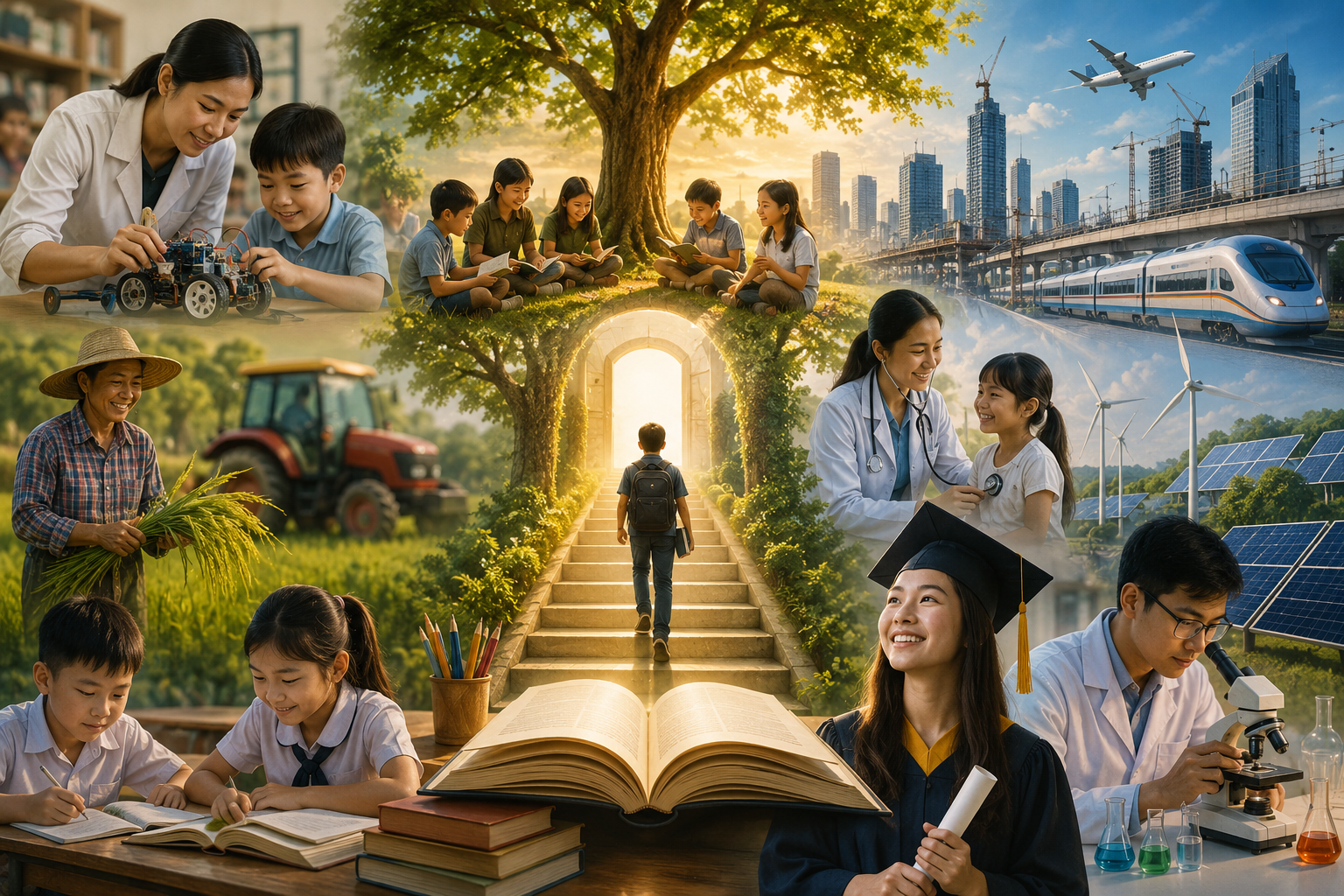
EDUCATION is one of the most important foundations in human life. It plays a vital role in improving a person’s standard of living, shaping correct ways of thinking, and building a better future. Education is not only beneficial for individuals but also for families, communities, and the nation as a whole. A country with educated citizens is usually more developed, peaceful, and successful. Therefore, education is considered the backbone of national development and social progress.
When people receive education, they gain knowledge, wisdom, and confidence. Education helps people understand the world around them and teaches them how to solve problems in daily life. Educated people can think critically, make wise decisions, and communicate effectively with others. They can distinguish right from wrong and become responsible citizens who contribute positively to society. Without education, people may struggle to improve their lives or understand important social issues.
Education also creates opportunities for better employment and higher income. In today’s modern world, knowledge and skills are essential in almost every profession. People who are educated have more chances to get good jobs, support their families, and enjoy better living conditions. Vocational education, technical training, and higher education prepare people for different careers and industries. Skilled workers, engineers, doctors, teachers, scientists, and business leaders all depend on education to perform their duties effectively. Therefore, education is directly connected to economic growth and national prosperity.
Another important benefit of education is the development of personal character and moral values. Schools do not only teach academic subjects; they also teach discipline, honesty, respect, responsibility, and cooperation. Students learn how to work together, help others, and respect different opinions and cultures. Education encourages kindness, sympathy, and understanding among people. These qualities are necessary for building peaceful communities and reducing conflicts in society.
Education improves communication skills and language abilities. Through learning languages, reading books, writing essays, and participating in discussions, students become better communicators. Good communication skills help people express their thoughts clearly and confidently. In the modern world, English has become an international language used in business, science, technology, education, and diplomacy. Therefore, learning English and other languages through education can open doors to international opportunities and global communication.
In addition, education plays an important role in technological advancement and innovation. Scientific discoveries, medical improvements, engineering projects, and digital technology are all results of education and research. Educated people create new inventions and solve modern problems. Information technology, artificial intelligence, and scientific research continue to improve human life because of educated minds. Countries that invest heavily in education often become leaders in science, technology, and economic development.
Education is also essential for improving healthcare and public well-being. Educated people usually understand the importance of hygiene, nutrition, exercise, and disease prevention. They are more likely to follow healthy lifestyles and make informed medical decisions. Education helps people understand health information, avoid harmful habits, and protect themselves from diseases. As a result, educated societies often have lower illness rates and longer life expectancy.
Another positive impact of education is poverty reduction. Poverty is one of the greatest challenges faced by many countries. Education provides people with the skills and knowledge needed to escape poverty. When individuals receive education, they gain opportunities for employment and financial stability. Educated parents are also more likely to provide better care, nutrition, and education for their children. In this way, education helps break the cycle of poverty across generations.
Education strengthens democracy and responsible citizenship. Educated citizens are more aware of their rights and responsibilities. They are better able to participate in elections, understand laws, and contribute to national discussions. Education promotes fairness, equality, and justice by encouraging people to think independently and respect human rights. A well-educated population helps create stable governments and peaceful societies.
Moreover, education encourages lifelong learning and personal growth. Learning does not stop after school or university. Educated people continue seeking knowledge throughout their lives. They read books, explore new ideas, develop new skills, and adapt to changing situations. In today’s rapidly changing world, lifelong learning is very important because technology and society continue to evolve. Education gives people the ability to adapt successfully to these changes.
Education is especially important for children and young people because it shapes their future. Schools provide students with opportunities to discover their talents, interests, and goals. Teachers guide students toward becoming productive and responsible adults. Through education, children develop creativity, leadership skills, teamwork, and confidence. They learn to dream big and work hard to achieve success in life.
Teachers play a significant role in the educational process. They are not only instructors but also role models and mentors. Good teachers inspire students, encourage curiosity, and motivate them to overcome difficulties. Teachers help students understand the value of hard work, discipline, and honesty. The guidance and dedication of teachers greatly influence the future of individuals and society.
Parents also have an important responsibility in supporting education. Parents who encourage learning and value education create positive environments for their children. They help children develop good study habits, discipline, and confidence. Cooperation between parents, teachers, and schools is essential for students’ success. A strong educational foundation begins at home and continues in the classroom.
Furthermore, education promotes equality and social harmony. It provides opportunities for both men and women, rich and poor, urban and rural populations. Equal access to education helps reduce social inequalities and discrimination. When all people receive educational opportunities, society becomes fairer and more united. Education empowers women, improves gender equality, and supports the protection of human rights.
Education also contributes to environmental awareness and sustainable development. Educated people understand the importance of protecting nature, conserving resources, and reducing pollution. They become more aware of climate change, environmental problems, and sustainable living practices. Through education, future generations can learn how to care for the Earth and preserve natural resources for future generations.
In many countries, governments invest greatly in education because it is the key to national progress. Scholarships, free textbooks, school supplies, and improved educational systems are provided to support students. Universities, technical institutes, and vocational schools prepare young people for future careers. Educational policies and reforms aim to improve learning opportunities and raise educational standards.
In the modern era, digital education and online learning have become increasingly important. Technology allows students to access information from anywhere in the world. Online classes, educational videos, digital libraries, and virtual communication have made learning more convenient and accessible. Especially during global crises such as pandemics, online education has helped students continue learning without interruption.
However, education should not only focus on academic achievement. True education also develops creativity, emotional intelligence, problem-solving skills, and moral character. Students should learn not only how to succeed personally but also how to serve society and help others. Education should produce compassionate, responsible, and innovative citizens who contribute positively to humanity.
In brief, education is the foundation of individual success, social progress, and national development. It improves knowledge, skills, morality, health, communication, and economic opportunities. Education reduces poverty, strengthens democracy, promotes equality, and encourages innovation. It opens doors to brighter futures and helps people overcome life’s challenges. A renowned person once said, “Education is the most powerful weapon which you can use to change the world.” Therefore, everyone should value education, support educational opportunities, and continue learning throughout life. By investing in education today, we can build a more peaceful, prosperous, and successful world for future generations.