
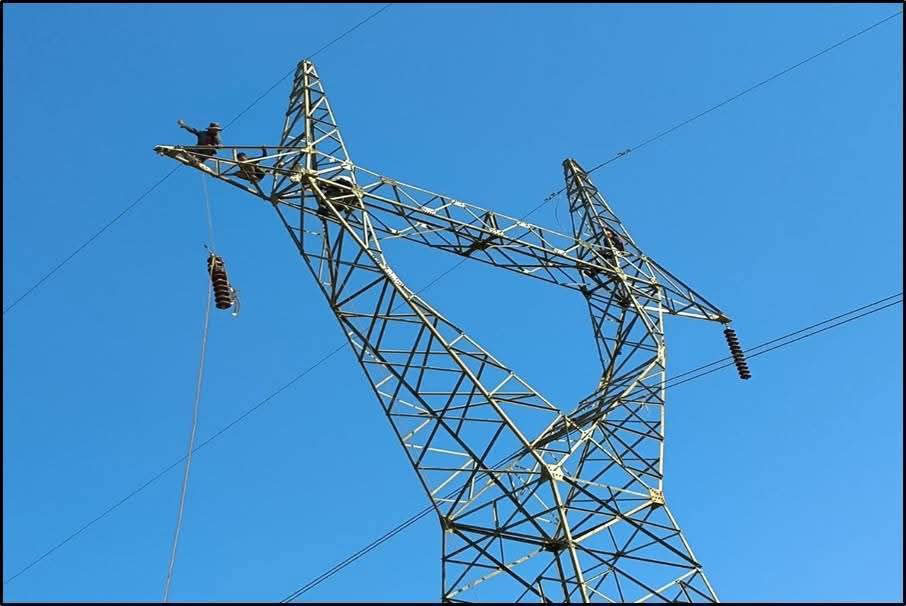
THE Ministry of Electricity and Energy is making efforts to ensure an adequate electricity supply for the public by carrying out timely repairs to damaged power lines and replacing cables to increase transmission capacity. The 230 kV Toungoo–Thayagon power transmission line has now been repaired, enabling an additional 200 megawatts of electricity to be supplied to the public, according to the Ministry of Electricity and Energy.
The 230 kV Toungoo– Thayagon transmission line was built to transmit electricity generated by hydropower plants in Upper Myanmar to consumers in Lower Myanmar, including Yangon Region. However, the line sustained extensive damage at numerous locations as a result of 12 explosive attacks by terrorist groups in 2023 and 2024, according to reports.
Meanwhile, plans are under way to install solar power systems at ministry offices to increase electricity generation, according to Deputy Minister Dr Khine Khine Soe, spokesperson for the Office of the President. She said that solar power generation would be significantly expanded alongside hydropower by the 2030–2031 financial year. The Government aims to provide the entire country with access to electricity by 2030 and has been drawing up and implementing plans towards this goal since taking office.
During a meeting on 17 November with a Cambodian delegation led by Deputy Minister Mr Cheap Sour of the Ministry of Mines and Energy, Union Minister for Electricity and Energy U Ko Ko Lwin held frank and open discussions on opportunities for Cambodian investment and cooperation in Myanmar’s existing offshore natural gas production blocks, prospective offshore blocks and vacant offshore blocks. They also exchanged views on strengthening cooperation between Myanmar and Cambodia in the electricity and energy sectors.
The Ministry of Electricity and Energy aims to generate 5,180 megawatts from hydropower, 1,605 megawatts from solar power, 200 megawatts from wind power, 2,290 megawatts from natural gas, 585 megawatts from liquefied natural gas (LNG), 1,638 megawatts from coal, 370 megawatts from fuel oil (FO), 200 megawatts through imports from neighbouring countries and 182 megawatts from diesel in the 2030–2031 financial year. — Htun Htun/ KNN


