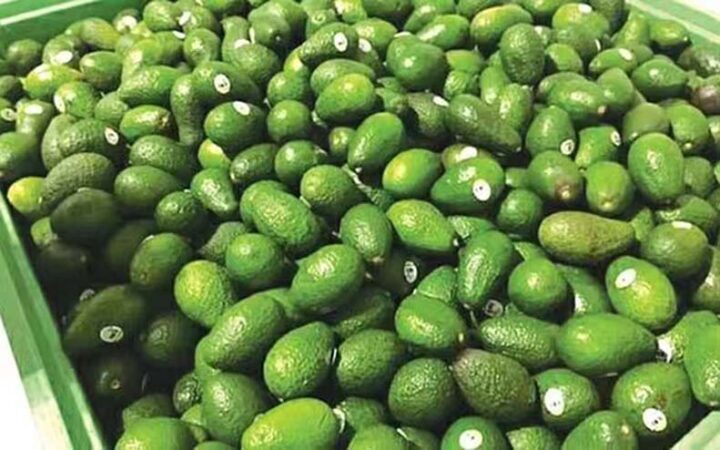
THE Supply Chain Promotion and Study Tour, an initial effort to build a resilient fruit supply chain based on the domestic consumption chain, was completed on 27 October, following discussions at the Myanmar Avocado and Fruit Festival 2026, according to the Myanmar Fruit, Flower and Vegetable Producers and Exporters Association.
The tour led by MFVP Chairman U Kyaw Thu brought together growers, companies, association leaders and market actors from southern Shan State and the PyinOoLwin area.
Growers are found to be facing high production costs and difficulties in foreign export markets amid border export route closures, delays in reaching bilateral pest control protocol agreements, geopolitical sensitivities and rising imported fertilizer prices. Extreme heat from El Niño has also damaged climate-sensitive crops such as avocado. This study tour was aimed at tackling these challenges.
Participants visited City Mart’s Market Place on Dhammazedi Road, where officials of City Mart Holding Co Ltd discussed difficulties that farmers face in applying for Myanmar GAP certification, the lack of markets for GAP-certified crops, and domestic premium market requirements. City Mart explained its contract farming arrangements, its ability to buy from farmers at good prices through the Shan South cold storage centre, and presenting ethnic entrepreneurs’ products as Pride of Myanmar. The two sides held initial discussions on a project to provide technical assistance to farmers and promote food-safe crops.
Shan avocado promotion was conducted at the Akhaya restaurant on Pyay Road by giving Shan avocado as gifts, and PyinOoLwin Green Avo avocado puree drinks were served, allowing farmers to introduce their fruit directly to consumers. Consumers gave good feedback. Links were also made with restaurant groups for long-term sales partnerships with proper quality control and for promoting consumption of nutritious, chemical-free Myanmar fruit.
Participants studied operations at the Danyingon wholesale market and Myanmar Agro Exchange, including its wholesale market and cold storage network projects and southern Shan wholesale market and cold storage plans. Growers and companies asked about investment opportunities in southern Shan projects. In a special session, MAEX arranged direct talks between avocado growers and Danyingon wholesale avocado traders and brokers, who discussed market conditions and potential in Yangon. MAEX also explained cold storage services available for heat-sensitive avocados and stalls at the Danyingon direct farmer market and storage at MAEX’s standard 5-degree Celsius cold storage at K3 per kilogramme per night. MFVP expressed appreciation to MAEX and said it will share the findings with farmers and companies that did not join the tour.
Participants visited a GAP natural fertilizer plant to learn about reducing cultivation costs through the circular economy and improving soil health amid rising imported fertilizer prices. The plant demonstrated production of quality natural and biological fertilizers and taught practical, systematic composting methods. Growers asked questions and invited the company to cooperate in their own regions for trial plots and further study.
Key outcomes of the tour included stronger links among growers, distributors, service providers and other supply chain actors; reduced cultivation costs and lower import dependence through systematic use of natural and biological fertilizers; improved long-term soil resilience; progress toward assured markets for Myanmar GAP-certified crops; connections with premium retailers such as City Mart and restaurants for sustained GAP markets; reduced losses through cold chain use; and readiness for regular sea and air trade. Participants also identified quick wins: using MAEX’s crop collection and storage centres and cold storage networks to preserve crops and improve quality during border route closures and to prepare infrastructure for regular sea and air exports, and collecting and releasing timely data from different market levels, including wholesale market sales, wastage and price conditions by crop type. — NN/KK