
By Khin Maung Myint
Reaching one’s nineties with clarity of mind, independence, and full physical mobility is a rare and triumphant milestone in the modern world. Achieving it completely free from chronic disease – while maintaining an active lifestyle of walking an average of three miles a day, performing routine daily workouts, and retaining a sharp, vibrant engagement with life – is truly extraordinary. Yet, exceptional longevity is rarely the result of pure luck, passive inheritance, or genetic chance. It is the cumulative reward of deliberate daily choices, disciplined moderation, and the courage to make a profound, total lifestyle transformation when it matters most. Before continuing further, I would like to make a disclaimer: I am not a medical doctor, a cardiologist, or a certified nutritionist. I do not offer these observations as formal medical prescriptions or clinical diagnoses. Rather, I share them as a fellow traveller on the journey of life – a practical practitioner who has learned these truths through direct, lived experience and reaped their undeniable benefits over decades of practice.
From Mid-Life Affliction to Vitality
For many people, middle age brings a steady, disheartening decline in physical well-being, often accepted as an inevitable consequence of ageing. Looking back at my mid-life years from the vantage point of my nineties tells a deeply instructive story. Today, I enjoy robust vitality and total freedom from chronic illness, but I clearly remember my mid-forties and fifties, which were burdened by severe, frequent migraine headaches that regularly disrupted my daily life.
Worse still, in my fifties, a mild ischemic heart episode set in – a serious, unmistakable warning sign that my vascular system was paying a heavy toll for decades of poor habits. Before the age of fifty, I had been a heavy chain smoker, and the physical consequences of that habit, combined with a lack of structured physical care, were catching up with me rapidly.
However, health is not a fixed sentence, nor is the future written in past mistakes. The human body possesses a remarkable, miraculous capacity to heal, adapt, and regenerate when given the proper conditions. In my late fifties, recognizing that my current trajectory was unsustainable, I made the conscious decision to completely overhaul my lifestyle.
I abandoned smoking entirely, committed to steady and disciplined daily exercise, revolutionized my dietary choices, and established a consistent rhythm of nightly rest.
The physical health benefits that followed were nothing short of extraordinary. By the time I reached my sixties, the recurring migraine headaches and ischemic heart distress had completely vanished, never to return. Now, over three decades later, I remain entirely free from chronic diseases. What medical theory describes on paper, I have verified in my own bloodstream, heart, and muscles: regardless of past habits or health scares, it is never too late to reshape one’s health and reclaim decades of high-quality life.
The Four Pillars of Practised Longevity
Through decades of personal trial, self-observation, and daily adherence, I have found that maintaining this level of health into one’s nineties rests upon four core pillars:
I. Daily, Purposeful Movement: Living a long life requires a body that remains capable of confident, independent movement. The key to preserving physical function into late age is not extreme, exhausting exertion, but steady, dependable, daily activity.
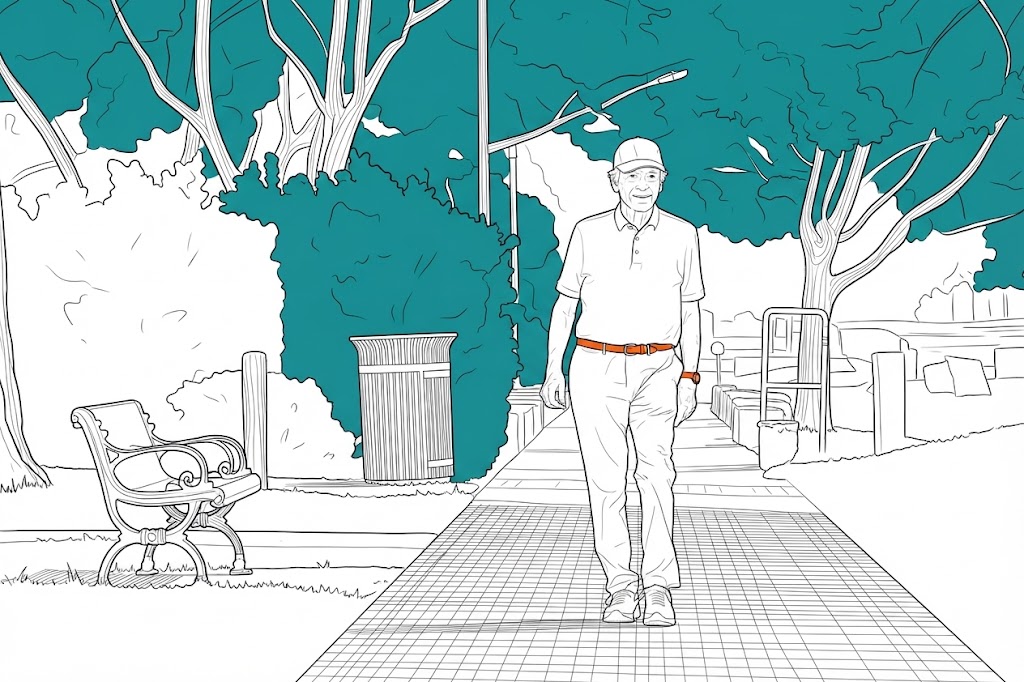
Daily Walking Goal: Aiming for 6,000 to 7,000 steps – equivalent to roughly three miles – six days a week keeps the cardiovascular system strong, maintains joint flexibility, protects bone density, and preserves functional balance. When weather permits, walking outdoors in the fresh air revitalizes both body and mind.
Routine Workouts: Integrating structured, daily light workouts alongside walking ensures that functional muscle strength, agility, and core stability are maintained over time.
Adaptability and Persistence: On days when rain or extreme weather interferes with outdoor walking, maintaining indoor activity and routine exercises keeps momentum going without interruption.
Movement acts as the body’s natural lubricant. To remain fully mobile in your nineties, you must keep moving through your fifties, sixties, seventies, and eighties.
II. The Wisdom of Nutritional Moderation and “The Four Avoidances”
Modern nutritional advice is often cluttered with complex, rapidly changing diet trends, but true dietary longevity lies in simplicity, restraint, and deliberate calorie awareness.
Early in my journey towards better health, a mentor of mine provided a foundational piece of wisdom that has guided my eating habits ever since. He advised avoiding four specific types of food that overburden the human body: fatty, sweet, salty, and rich foods.
In Myanmar tradition, this principle is elegantly remembered through the mnemonic “Ah lay lone”(The Four “အ”):1. Ah-Hsee (oily) – Avoid Excessive Fats: Restricting heavy, greasy, and fried foods protects arterial clarity, maintains smooth circulation, and prevents cardiovascular strain. 2. Ah-Chyo (sweet) – Avoid Excessive Sweets: Limiting refined sugars and artificial sweets stabilizes blood glucose levels, prevents metabolic fatigue, and protects systemic health.3. Ah-Ngan (salty) – Avoid Excessive Salt: Exercising strict control over sodium intake safeguards blood pressure, protects kidney function, and prevents fluid retention.4. Ah-Seint (rich) – Avoid Overly Rich/Creamy Foods: Refraining from overly dense, heavy, or intensely rich delicacies ensures smooth digestion and prevents unnecessary metabolic stress. Pairing this classic rule with a conscious awareness of total daily calorie intake ensures that food serves its original purpose: clean, efficient fuel for the body rather than a source of metabolic strain or inflammation.
The ultimate validation of this wisdom lies not just in theoretical health science, but in real life: the mentor who originally passed down these four golden rules is still alive, active, and thriving today at over one hundred years old – a living testament to the enduring power of dietary discipline.
III. Universal Temperance and Rest
Excess in any endeavour – whether in rich foods, alcoholic drinks, prolonged sedentary periods, or harmful daily routines – exacts a cumulative tax on vitality. True longevity requires cultivating temperance across every aspect of daily living:
Restraint Over Indulgence: Enjoying life’s simple pleasures without allowing them to master your routine or disrupt your bodily equilibrium.
Prioritizing Restful Sleep: Securing an average of seven hours of quality, uninterrupted sleep every night allows the brain and body time to repair cells, clear cellular waste, consolidate memory, and restore daily vigour.
Rhythmic Living: Honouring the body’s natural cadence by pairing active days with structured rest ensures that energy stores are replenished before fatigue takes root.
IV. The Power of Early and Decisive Action
Perhaps the greatest takeaway from living into one’s nineties with full health is the realization that health is an ongoing series of choices rather than a predetermined fate. Suffering from migraines and heart troubles in middle age was a clear signal that change was required. Taking decisive action in my late fifties allowed my body to recover and sustain itself for the next thirty-plus years.
Conclusion: A Lived Truth
While I do not wear a white coat or hold medical degrees, eighty-plus years of living – and over thirty years of flourishing after a mid-life health pivot – have granted me a degree from the ultimate school: experience. A long, healthy, and happy life is not built on secret potions, expensive treatments, or complex trends. It is built on simple, time-tested habits practised with quiet consistency year after year: move your body daily, eat with restraint, avoid harmful excesses, rest deeply, and master the art of disciplined balance.
If a complete lifestyle turnaround in one’s late fifties can reverse heart distress, banish chronic pain for decades, and power an active life into one’s nineties, it stands as proof for everyone: it is never too late to take control of your health, restore your vitality, and claim a long, joyful life.


