
By Thin Hlaing Hmwe
The article “What Goes Around Comes Around: Understanding the Reality of Kamma”, published in The Global New Light of Myanmar on 12 October 2026, offers a thoughtful and meaningful reflection on one of life’s most familiar yet frequently misunderstood principles. Rather than presenting Kamma as a system of immediate reward and punishment, the article explains it as a deeper law of cause and effect, shaped by our intentions, thoughts, words, and actions.
What I find especially valuable about the article is its balanced and practical approach. Kamma is not described as a mysterious force that simply waits to punish people for their mistakes. Instead, it is presented as a principle that encourages people to understand the consequences of their behaviour and to take greater responsibility for the lives they are creating. This perspective makes the idea of Kamma relevant not only as a religious concept, but also as a guide for ethical and responsible living.
One of the strongest points in the article is the emphasis on intention. Two people may perform a similar action, but their motivations may be completely different. An act that appears kind on the surface may be motivated by pride or personal gain, while a small and unnoticed act may come from genuine compassion. By reminding us that Kamma is connected not only to what we do but also to why we do it, the article encourages deeper self-examination. This is an important lesson in a world where people are often judged by outward appearances alone.
The article’s discussion of the “ripple effect” is also highly relevant to modern society. Every thought, word, and action can influence other people. A harsh word may create anger and division, while a kind word may restore confidence and bring people closer together. In the same way, dishonesty and selfishness can gradually create distrust, whereas sincerity and generosity can build strong relationships. Our actions may not always produce immediate results, but they contribute to the kind of personal and social environment in which we live.
Another positive feature is the article’s explanation of why Kamma does not always appear to work instantly. Many people become doubtful when they see unkind individuals enjoying success or hardworking and honest people facing difficulties. The article responds to this doubt by explaining that Kamma is not like a microwave meal that is ready according to a strict timetable. This analogy is simple but effective. It reminds readers that consequences may take time to emerge and that life is influenced by many conditions, including past actions, present choices, and circumstances beyond our immediate control.
The article is particularly encouraging because it does not use Kamma to make people live in fear. Instead, it presents Kamma as a source of hope and personal empowerment. Even if someone has made serious mistakes in the past, the opportunity to change remains. Taking responsibility, apologizing, correcting harmful behaviour, and choosing a better path can help break negative patterns. This message is both compassionate and constructive because it recognizes human imperfection while encouraging moral improvement.
The three practical suggestions at the end of the article provide a clear and useful guide for daily life. Choosing empathy over ego can prevent unnecessary conflict. Practising kindness without expecting a reward can make our goodness more sincere. Taking accountability for our mistakes can help us grow and prevent the same harmful patterns from being repeated. These recommendations are not difficult theories; they are simple habits that anyone can practise in family life, at work, in the community, and in public life.
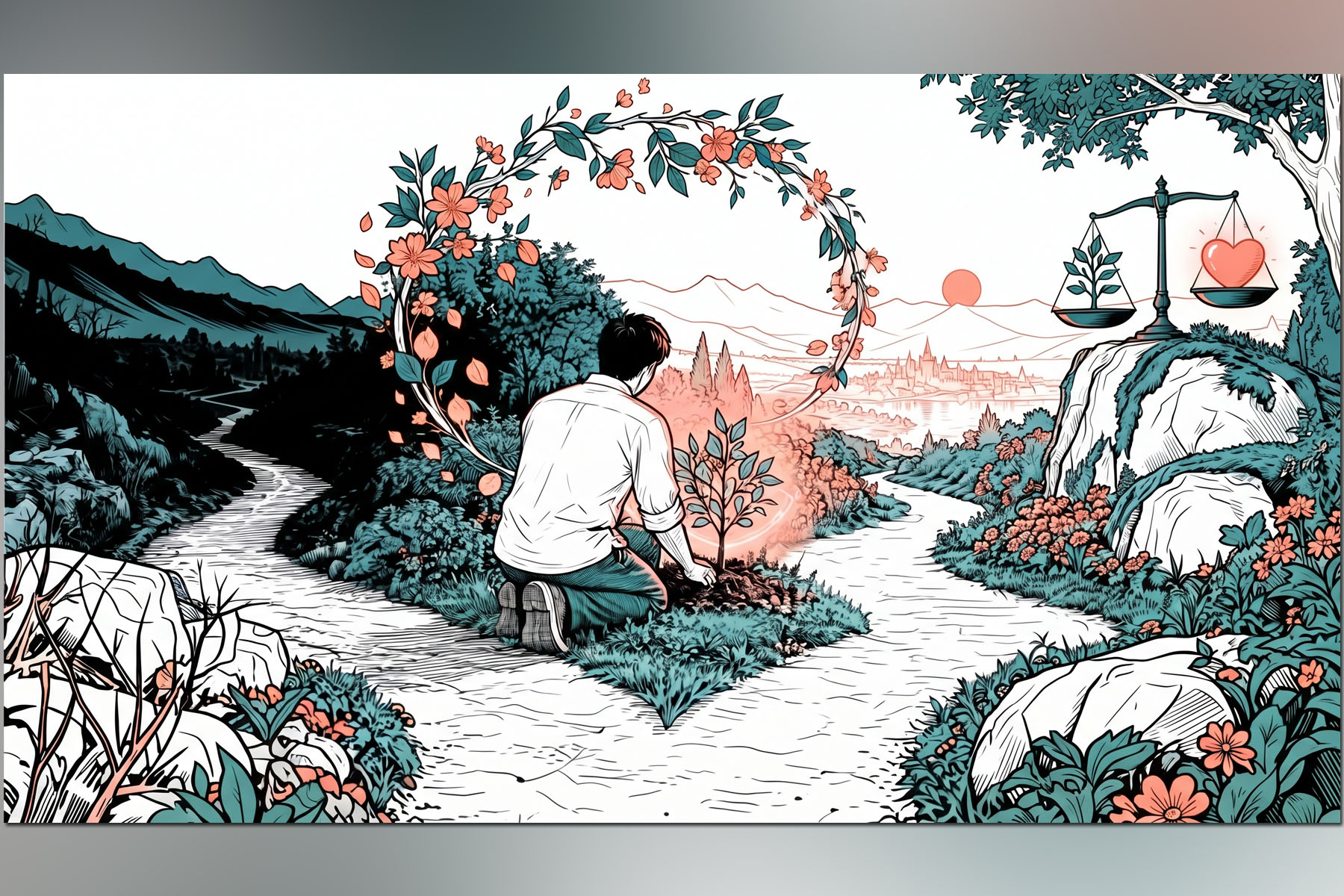
In my view, the greatest strength of this article is that it transforms the idea of Kamma from a passive belief into an active way of living. It asks us not merely to wait for justice to happen, but to become more thoughtful, honest, compassionate, and responsible people ourselves. It also reminds us that our daily choices matter. A better society is not created only by laws and institutions; it is also created through the attitudes and actions of individuals.
Overall, “What Goes Around Comes Around: Understanding the Reality of Kamma” is a valuable and positive article. It encourages readers to reflect on their inner motivations, consider the consequences of their actions, and believe in the possibility of change. Its message is clear: we cannot control every event in life, but we can control the intentions we cultivate and the choices we make. By choosing kindness, integrity, empathy, and accountability, we can contribute to a more peaceful life and a more harmonious society.
Kamma, therefore, should not be understood simply as a promise that people will receive what they deserve. It can also be understood as an invitation to live consciously – to recognize that every choice leaves an impression and that the future is shaped, step by step, by what we do today.
In addition, the article reminds us that every day gives us a fresh opportunity to become better human beings. By choosing understanding over anger, honesty over deception, and compassion over selfishness, we can gradually transform both our lives and the world around us. Kamma is therefore not something to fear, but a gentle reminder that our thoughts and actions carry meaning. The goodness we create today can become the foundation of a brighter tomorrow.


