
By Lynn Lynn Myat Oo
Children today aren’t just growing up with technology – they are growing up inside it. The real goal isn’t to push technology away, but to teach our children how to use it with intent, shifting them from passive, hypnotized consumers into active, curious creators who know when to log off and step back into the real world.
Under two years: Screen time should be avoided entirely, except for interactive family video calls. Toddlers build foundational motor skills, language, and emotional bonds through direct human interaction and tactile, real-world play, which screens cannot replicate.
Ages two to five: Limit screens to a maximum of one hour per day of high-quality, slow-paced educational content. Parents should co-view alongside children to explain what they see, helping them process visual information and preventing sensory overload.
Ages six to 12: Cap non-homework screen time at 1 to 1.5 hours on school days. Focus on guiding kids away from passive video streaming toward active digital tools, like digital art, coding, or problem-solving games, ensuring tech doesn’t displace exercise, sleep, and face-to-face social time.
Teens (13+): Shift focus from strict hourly limits to teaching self-regulation and digital boundaries. Enforce key rules like keeping screens out of bedrooms overnight and maintaining screen-free mealtimes to protect sleep quality, focus, and mental well-being.
Physical & Vision Health: Protecting Growing Eyes
The 20-20-20 Rule for Kids: For every 20 minutes of screen use, have them look at an object 20 feet away for 20 seconds. You can turn this into a game (e.g., “Find something green out the window!”).
Maintain Viewing Distance: Ensure screens are kept at least 12 to 18 inches away from their eyes. Holding phones or tablets too close accelerates eye fatigue and increases the risk of early myopia (nearsightedness).
Daily Outdoor Time: Encourage at least one to two hours of outdoor play daily. Natural sunlight and distant viewing are scientifically proven to help reduce the onset of nearsightedness in children.
Transitioning from Passive Viewing to Active Creation
Not all screen time is created equal. Help children move from being passive consumers to creative users:
Passive (Limit): Auto-playing short-form videos, endless algorithmic feeds, and fast-paced cartoons with high-frequency frame cuts (which can cause sensory overload).
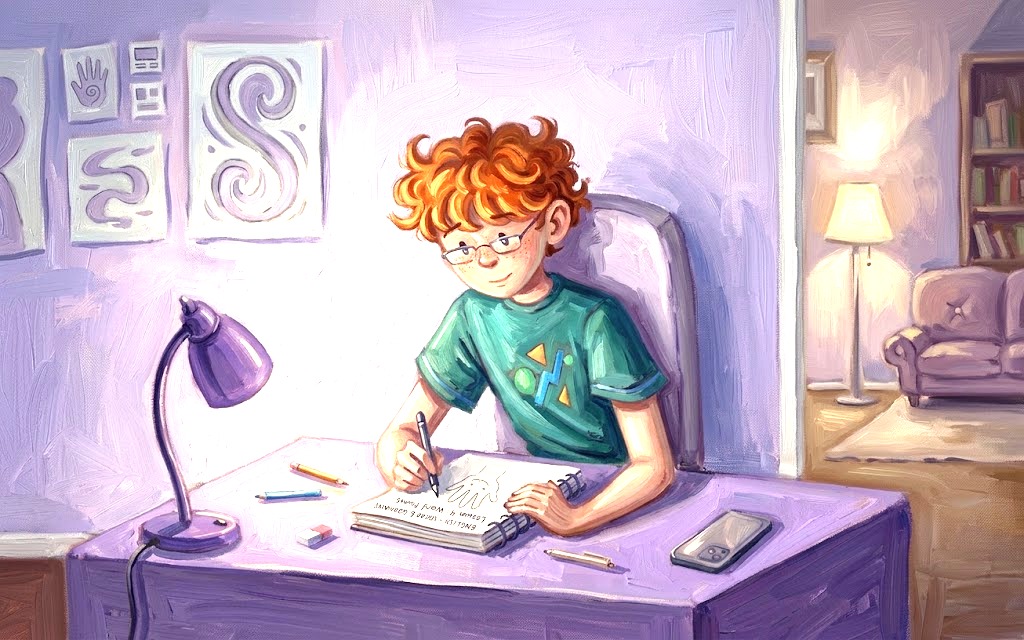
Active (Encourage): Digital drawing/painting, building structures in games like Minecraft, learning a musical instrument online, language-learning apps, or making simple digital crafts.
Practical Rules for the Home
1. Keep Bedrooms Screen-Free: Never place TVs, gaming consoles, or smartphones in a child’s bedroom overnight. Charge all household devices in a central station (like the kitchen or living room) after a specific cutoff time.
2. No Screens During Meals: Keep family mealtimes tech-free to encourage real-world conversation and healthy eating habits.
3. Establish a 1-Hour Pre-Bedtime Buffer: Turn off all screens 60 minutes before sleep. Blue light suppresses melatonin, making it harder for children to fall into deep, restorative sleep.
4. Model Good Behaviour: Children mirror adult habits. When parents demonstrate intentional screen use and step away from phones during family time, kids naturally adopt similar habits.
Technology is neither an inherent good nor a digital villain – it is simply an amplifier of human intention. Whether for an adult navigating a remote career or a child discovering the world, the true goal of healthy screen time is not to eliminate devices, but to ensure they serve us rather than control us.


